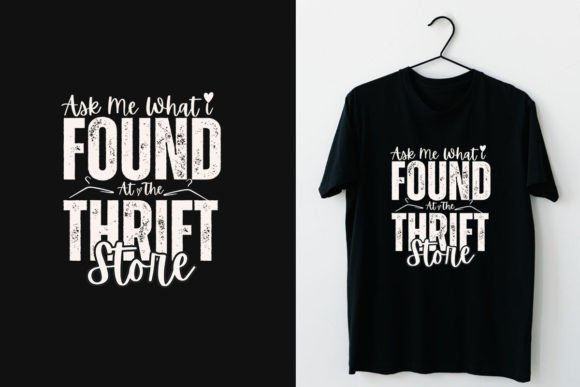
Thrift Queen Retro Shirt Design: A Graphic Designer's Asset
There's a unique visual language to thrifting—a blend of nostalgia, individuality, and sustainable style that's incredibly powerful in design. The Thrift Queen Retro Shirt Design captures this perfectly, offering more than just a graphic; it's a curated aesthetic resource. For designers, creators, and brand builders, this style provides a versatile toolkit for projects that demand authenticity, character, and a connection to modern values like sustainability and personal expression. It taps into a growing design trend that favors vintage textures, hand-lettered typography, and eclectic color palettes over sterile, generic visuals.
Why This Aesthetic Resonates in Modern Design
In a digital landscape saturated with uniform templates, retro and thrift-inspired designs create immediate visual distinction. They communicate a story at a glance. The Thrift Queen aesthetic isn't just about looking old; it's a deliberate graphic design choice that evokes warmth, discovery, and a curated personal style. This makes it a powerful tool for visual communication, helping brands and projects stand out with a human, approachable feel. Its effectiveness lies in its ability to blend nostalgia with contemporary relevance, appealing to audiences who value authenticity and mindful consumption.
Practical Applications Across Creative Projects
The utility of this design style extends far beyond a single shirt. Its core elements—the typography, illustration style, and color mood—can be adapted to strengthen a wide range of visual assets.
- Brand Identity & Logo Design: A retro-thrift inspired logo or wordmark can instantly position a brand as unique, eco-conscious, or community-focused. It sets a distinct tone for the entire brand identity system.
- Marketing & Social Media Graphics: These designs are inherently shareable. Use them for Instagram posts, Facebook ads, or email headers to create engaging content that resonates with a lifestyle-driven audience, boosting user engagement.
- Packaging & Merchandise: Apply the aesthetic to product labels, hang tags, or tote bags. It adds perceived value and tells a story, transforming packaging into a key part of the unboxing experience and brand storytelling.
- Web & UI Design Elements: Integrate subtle retro textures, typography pairings, or iconography into website headers, buttons, or background patterns. This adds depth and personality to user interfaces without compromising usability or visual hierarchy.
- Editorial & Presentation Design: Use the style for magazine layouts, blog graphics, or slide decks to break the monotony of standard corporate templates, making information more visually engaging and memorable.
Integrating Retro Elements with Professional Polish
The key to using a style like the Thrift Queen design effectively is balance. It's about incorporating its spirit into a cohesive visual system. Consider these factors:
- Consistency & Scalability: Ensure the chosen design elements work across different sizes, from a small favicon to a large poster. A well-constructed SVG design, for instance, maintains its crispness and detail at any scale.
- Color Palette & Typography: Extract the core retro color palette and typography choices from the design. Use these as a foundation for your broader project to maintain a unified look. Pair the display font with a clean, readable sans-serif for body text to ensure clarity.
- Visual Hierarchy: Use the bold, expressive nature of the retro graphics as a focal point. Let them command attention while supporting elements like subtitles and body copy use simpler styles to guide the viewer's eye logically.
- Audience Alignment: This aesthetic strongly appeals to demographics interested in vintage culture, sustainability, and indie brands. It's a strategic choice for targeting those markets with authentic visual communication.
Ultimately, the Thrift Queen Retro Shirt Design represents a thoughtful approach to visual problem-solving. It demonstrates how specific graphic design assets can do more than decorate—they can communicate values, build community, and create a memorable brand experience. By selecting and applying such creative assets with intention, designers and business owners can elevate their projects from merely functional to genuinely resonant, ensuring their work not only looks good but also connects on a deeper level.