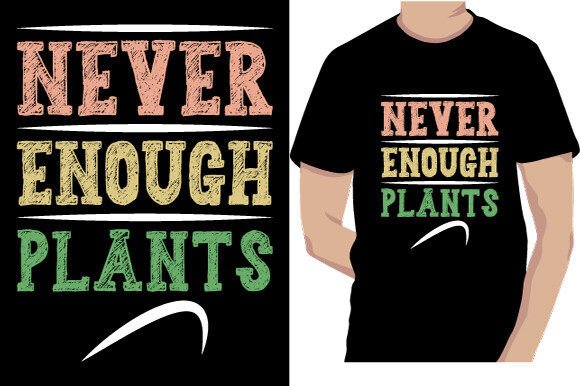
Never Enough Plants: A Botanical Design Asset
In the ever-evolving landscape of graphic design, finding a versatile asset that bridges the gap between trendy aesthetics and practical application is a rare discovery. The Never Enough Plants T-Shirt Design exemplifies this balance, offering a lush, botanical motif that transcends simple merchandise. This design is not merely a graphic; it is a comprehensive creative resource engineered for the modern print-on-demand ecosystem and beyond. Its appeal lies in its ability to communicate a specific lifestyle—the plant lover's ethos—through clean, professional visual language.
Visual Communication and Brand Identity
Effective visual design hinges on the ability to convey a message instantly. The "Never Enough Plants" design leverages contemporary typography and organic illustration to create an immediate connection with its audience. For designers and business owners, this template serves as a foundational element for building a cohesive brand identity. Its modern aesthetics can inform a broader visual system, influencing everything from color palettes to the overall tone of a brand's communication. By integrating this style, brands can signal a commitment to nature, tranquility, and modern living.
Practical Applications Across Mediums
The true value of a high-quality creative asset is its adaptability. This design's utility extends far beyond its initial t-shirt context, making it a powerful tool in a designer's workflow.
- Branding and Marketing: Utilize the core illustration and typography to create logos, business cards, and promotional flyers that resonate with a nature-centric demographic.
- Digital Presence: Adapt the design for engaging social media graphics, website hero images, or UI elements that require a touch of organic warmth.
- Packaging and Merchandise: Apply the motif to product packaging, tote bags, mugs, and signage to create a unified and appealing product line.
- Editorial and Presentation: Incorporate the visual elements into magazine layouts, blog headers, or presentation slides to break the monotony of text-heavy content and enhance visual hierarchy.
Design Elements and Technical Execution
A polished design is in the details. The composition of the "Never Enough Plants" template carefully balances visual weight, ensuring readability and impact whether printed large on a poster or scaled down on a card. The typography is chosen not just for style but for clarity, contributing to a positive user experience. For creators using tools like Cricut or Silhouette, the design's clean lines and scalability are critical, ensuring flawless execution in vinyl decals and scrapbooking projects.
The provided file package, including SVG, EPS, AI, and transparent PNG formats, underscores a commitment to professional workflow. These formats are the industry standard, ensuring compatibility with major design software and cutting machines. The transparent PNG, in particular, is invaluable for layering the design over different backgrounds in web design or composite imagery without cumbersome editing.
Integrating Assets into Your Design Workflow
When incorporating pre-made templates into your projects, a strategic approach is essential to maintain originality and coherence.
- Evaluate for Consistency: Before use, assess if the design's style aligns with your project's existing brand systems, color palette, and typographic rules.
- Customize Thoughtfully: Use the asset as a starting point. Adjust colors to match your brand, modify typography, or isolate design elements to create something unique.
- Consider Scalability: Always test the design at the intended output size to ensure details remain crisp and text legible, whether on a mobile screen or a physical product.
In a market saturated with generic visuals, investing in thoughtfully crafted design assets is a strategic move. The "Never Enough Plants T-Shirt Design" offers more than just a graphic; it provides a pathway to creating sophisticated, engaging, and professional visual content. By leveraging such quality resources, designers and creators can significantly elevate their aesthetic appeal, strengthen their visual storytelling, and ultimately, deliver a more compelling and cohesive experience to their audience.