Women Typography Design: Elevate Your Creative Projects
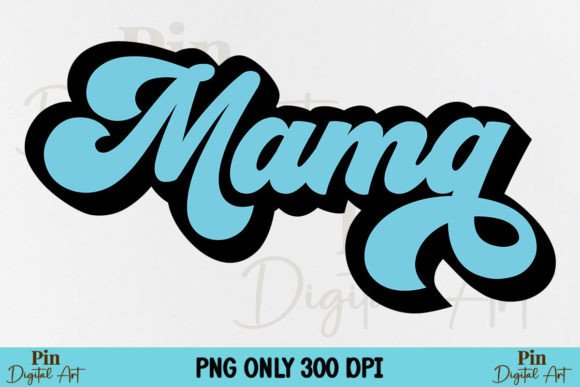
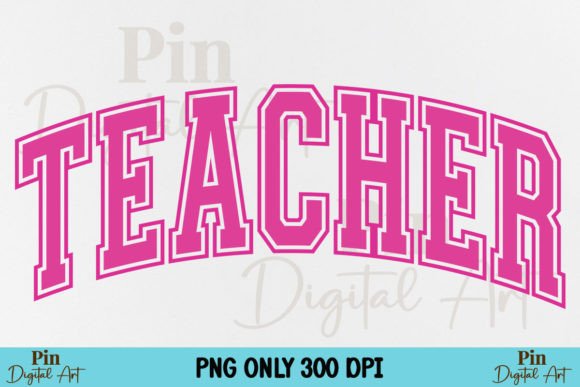
In the ever-evolving landscape of graphic design, the power of typography to convey emotion and message is undeniable. For projects aimed at or celebrating women, a specialized approach to typography is not just an aesthetic choice—it’s a communication strategy. Women Typography Design encompasses a curated selection of typefaces, calligraphic styles, and typographic compositions that resonate with themes of empowerment, elegance, strength, and positivity. This design asset is a vital resource for creators seeking to build authentic connections and convey nuanced emotions through visual language.
The Role of Typography in Visual Communication
Typography is a cornerstone of effective visual design. It establishes tone, guides the viewer's eye, and builds hierarchy. When designing for an audience that identifies as women, the choice of typography can significantly impact engagement. A bold, modern sans-serif might communicate confidence and innovation, while a graceful script can evoke sophistication and warmth. The right typographic treatment helps transform a simple message into an inspiring call to action, making it essential for branding, editorial layouts, and digital marketing materials.
Practical Applications for Modern Creators
The versatility of a dedicated typography collection allows it to be integrated across a multitude of creative projects. Its utility extends far beyond a single use case, providing a cohesive visual thread for diverse applications.
- Branding and Logo Design: Establish a distinct and memorable brand identity. Custom typography can become the core of a logo, setting the tone for all subsequent brand assets and ensuring instant recognition.
- Marketing & Social Media Graphics: Create scroll-stopping content for Instagram, Facebook, and Pinterest. Inspirational quotes and motivational sayings rendered in beautiful typography increase shareability and engagement, strengthening community connection.
- Website and UI Design: Enhance user experience with typographic elements that guide navigation, highlight key information, and contribute to a site's overall aesthetic and emotional appeal.
- Editorial and Packaging Design: Use expressive typography in magazine layouts, book covers, or product packaging to attract a target demographic, convey product benefits, and create a premium unboxing experience.
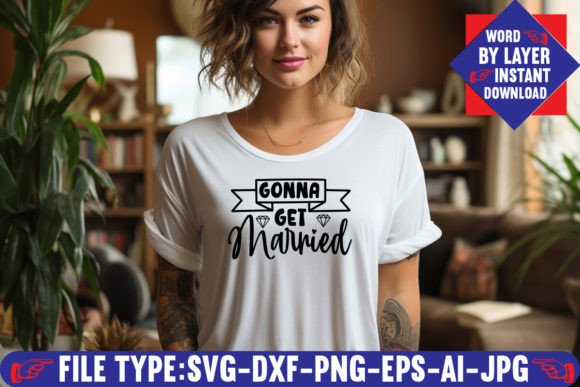
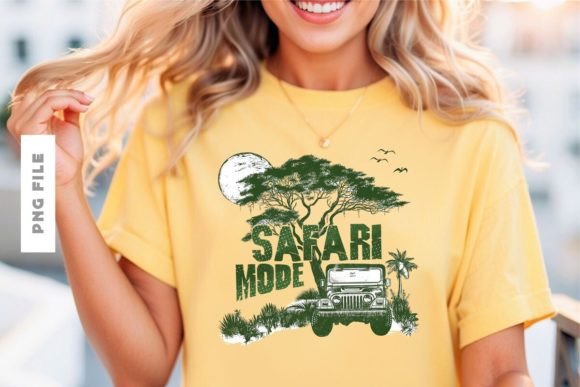
- Digital Products and Merchandise: Apply these designs to printable art, planners, greeting cards, apparel, and accessories, adding value and a professional touch to products for sale.
Tips for Selecting and Using Typography Effectively
Integrating a typography design asset requires thoughtful consideration to maximize its impact. A strategic approach ensures the design serves its purpose without compromising clarity or brand consistency.
- Prioritize Readability and Scalability: Ensure the typeface remains legible across all sizes, from a small mobile screen to a large printed banner. Test how it performs in both digital and print formats.
- Align with Audience and Message: The style should reflect the intended emotion. A playful, handwritten script suits a wellness brand, while a clean, geometric typeface may better serve a tech company focused on female professionals.
- Maintain Visual Hierarchy: Use different weights, sizes, and styles from the family to create a clear structure. This guides the viewer through the content logically, emphasizing the most important information first.
- Ensure Brand System Compatibility: The chosen typography should harmonize with your existing color palette, imagery, and overall brand identity. It should feel like a natural extension of your visual system, not an isolated element.
Thoughtful design is a silent ambassador for quality and intention. By investing in high-quality creative assets like a comprehensive typography collection, designers and business owners empower themselves to communicate with greater clarity, emotion, and professionalism. This not only enhances the aesthetic appeal of any project but also deepens the audience's connection to the message, ultimately elevating the entire creative workflow and output.